
 Book Appointment
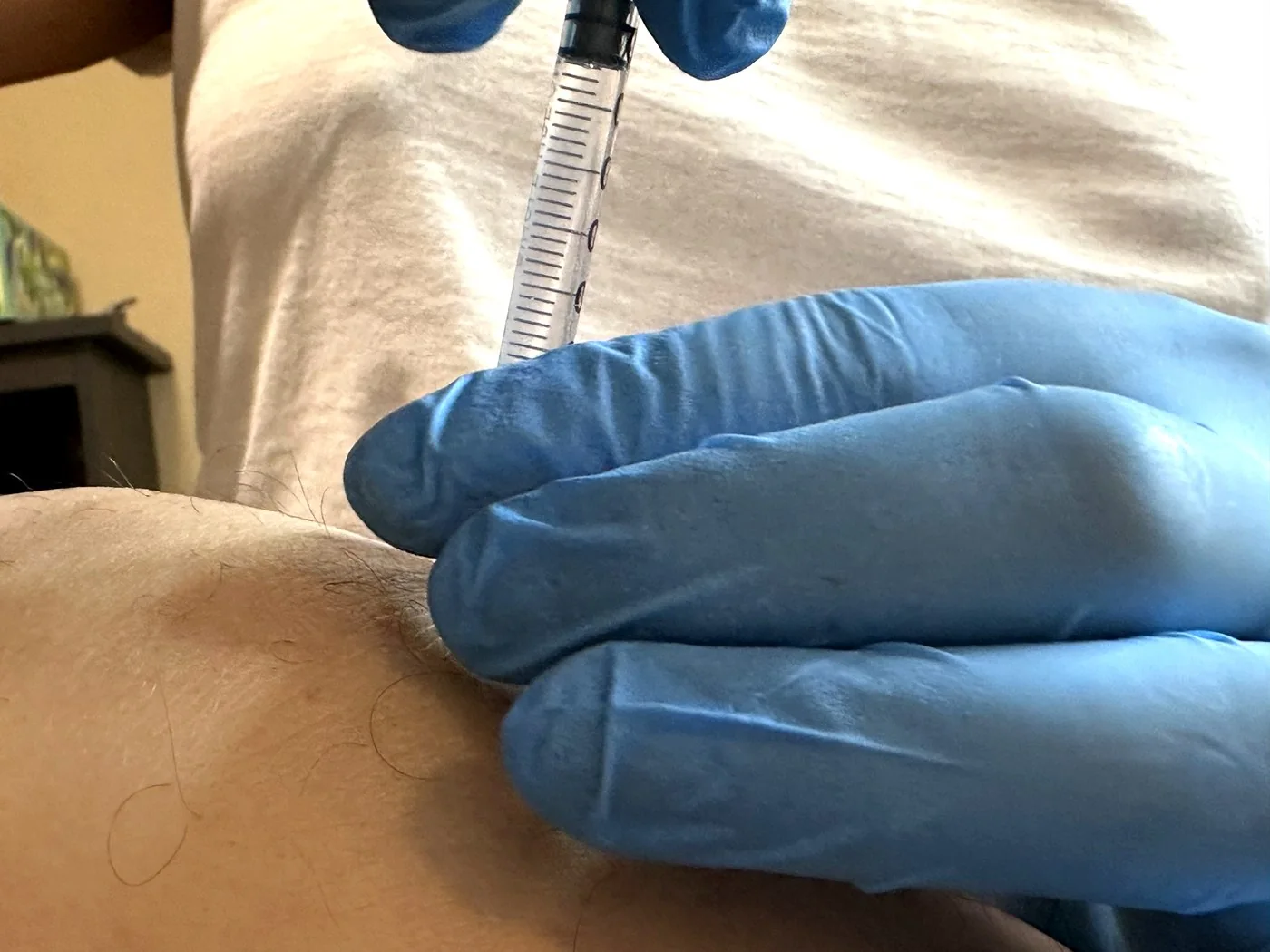
1. Both start with your own blood
The appeal of this category is straightforward: the material being used is derived from you, prepared at the appointment and used during the same visit. Nothing is manufactured elsewhere and nothing foreign is introduced.
A small blood sample is taken and processed to concentrate particular components. What is separated, and how, is what distinguishes PRP from PRF.
2. What PRP is
Platelet-rich plasma is a concentration of platelets from your own blood. Platelets carry growth factors that are involved in the body’s own repair and healing processes, which is the rationale for using them in regenerative aesthetic treatments.
PRP is used in selected individualized plans for skin rejuvenation and for hair restoration, and it can be combined with microneedling as PRP microneedling.
3. What PRF is, and how it differs
Platelet-rich fibrin is prepared differently. The result is a preparation that also contains a fibrin matrix, which behaves differently once placed — it is more cohesive, and releases its contents more gradually rather than all at once.
That difference in behaviour is why one may be preferred over the other for a particular area or a particular purpose. It is a clinical judgement made at assessment, not a question of one being categorically better.
4. Where they are used — skin
In skin, these are used within individualized rejuvenation plans, including in combination with microneedling. The intention is to support the skin’s own processes rather than to add volume or to resurface.
They are usually discussed as a course over a period rather than a single visit, and reviewed as you go.
5. Where they are used — hair
In hair restoration, PRP and PRF are among the options considered after the cause and pattern of hair loss have been assessed. They are one part of a plan rather than a standalone answer, and they are not appropriate for every cause of hair loss.
Because the assessment is what determines whether they are suitable at all, hair restoration is covered properly on its own page.
6. What they are not
This is a category where marketing runs some distance ahead of what can honestly be claimed. It is worth being plain about it.
- These are not a guarantee of regrowth, of reversal, or of any specific outcome.
- They are not a substitute for diagnosing why a problem is happening in the first place.
- They do not suit everyone, and suitability depends on your history as well as your goal.
A provider who describes this category in absolute terms is telling you something about their marketing rather than about the treatment.
7. What is discussed at consultation
Whether PRP or PRF is appropriate, which of the two, for which area, how many sessions and over what period are all individualized following assessment. So is whether something else entirely is the better starting point.
Expect a conversation about your relevant medical history, not only about the area you want treated.